Beyond the “Big Four”: Inside Budapest Central European Fashion Week
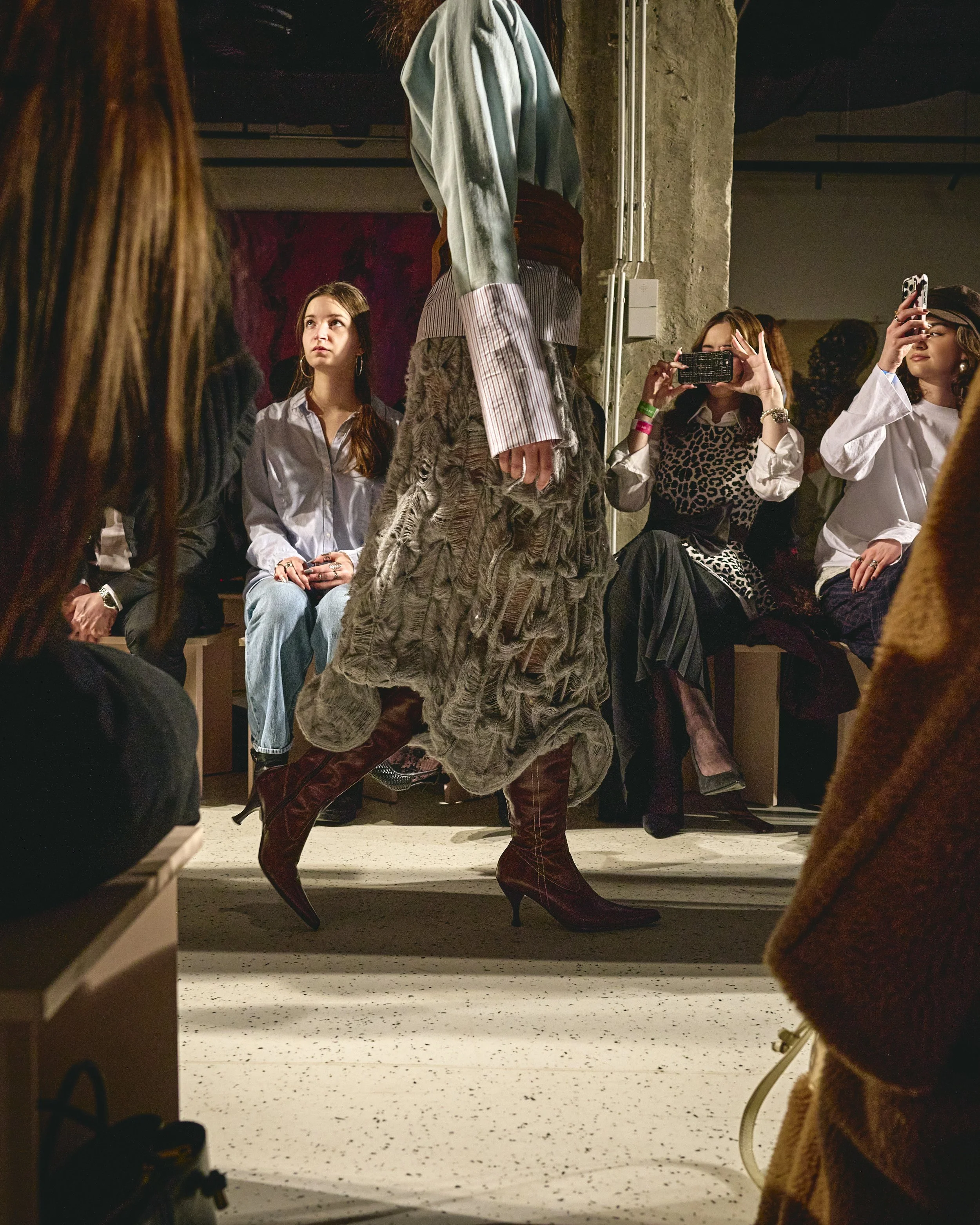
During its 17th edition, BCEFW transformed venues like the intimate Apollo Gallery and the grand Museum of Fine Arts into something more deliberate than runway spaces. They became crossroads where designers from across Central Europe, alongside Armenian, Georgian, and Ukrainian voices, gathered not simply to present collections, but to assert authorship over their own cultural narratives.
Beyond the “Big Four”: Inside Budapest Central European Fashion Week
What happens when fashion week stops trying to replicate Paris, Milan, London, or New York — and instead turns inward?
You get Budapest Central European Fashion Week.
During its 17th edition, BCEFW transformed venues like the intimate Apollo Gallery and the grand Museum of Fine Arts into something more deliberate than runway spaces. They became crossroads where designers from across Central Europe, alongside Armenian, Georgian, and Ukrainian voices, gathered not simply to present collections, but to assert authorship over their own cultural narratives.
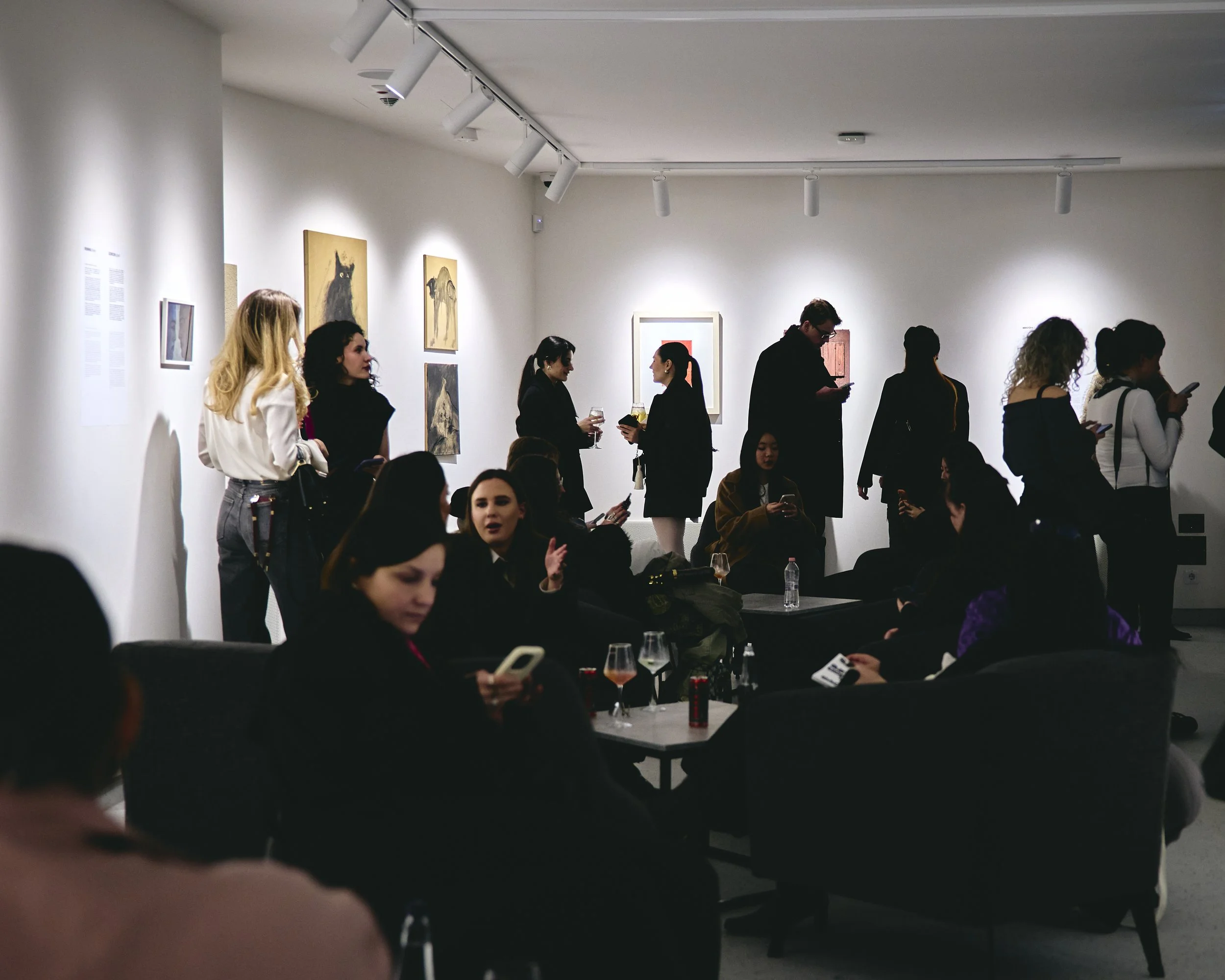
Image: BCEFW
This was not a peripheral fashion week aspiring to Western validation. It was a regional platform articulating its own center of gravity— proof that creative authority does not require proximity to the traditional capitals of fashion. At a moment when consolidation defines the luxury industry and heritage brands are routinely absorbed into multinational groups, BCEFW felt refreshingly self-determined. Its power lay not in scale, but in specificity.
A Geography of Perspective
As a first-time attendee, I wasn’t prepared for the breadth of perspectives I would encounter. Walking into Apollo Gallery on the first day, my immediate thought was: this is going to be diverse. And it was. Within a single segment, we travelled from the Czech Republic to Ukraine without leaving the room.
That quiet fluidity carried weight. Regional platforms expand fashion’s geography in real time. They shift the conversation away from a singular axis of validation and toward a multi-centered ecosystem.
For what is fashion, after all, if not a storytelling medium? It reveals history, identity, and inherited memory. Sitting among attendees from Japan, China, Hungary, and beyond— myself a Mexican observer— I was struck by how rare it is to witness cultures expressing themselves from within, rather than being interpreted from without.
In an industry where major corporations often extract aesthetic codes from cultures with little context or credit, BCEFW offered a different energy. Here, references were not borrowed; they were lived. Designers reinterpreted their own folklore, craftsmanship, and historical memory, shifting the conversation from appropriation to reclamation.
Strength, Structure, Survival
This wasn’t a trend report— yet patterns emerged.
Utilitarian silhouettes, power dressing, and a tension between femininity and masculinity surfaced repeatedly. At Nanushka, structured tailoring met thick belts and grounded leather clogs in a language of modern pragmatism. Ukrainian designers layered hardware and distressed detailing into femme-fatale archetypes that felt romantic yet defiant— almost armour-like. Slovak knitwear designers pushed crochet and organic forms into sculptural territory, while Serbian label JSP Atelier merged gas-uniform references with sequins and chainmail— utilitarianism colliding with spectacle, survival meeting glamour.
Historical silhouettes reappeared: Napoleonic brooches, pirate references, architectural peplums, pleated constructions, exaggerated shoulders, dramatic headpieces. These were not random aesthetic gestures. In a region shaped by post-Soviet and post-imperial histories, references to strength, structure, and resilience read less like costume and more like coded commentary.
Even the interplay of raw denim, patchwork, animal textures, and artisanal accessories suggested a broader embrace of craft— not as nostalgia, but as continuity. Craft here did not signal retreat into the past; it functioned as a bridge between memory and modernity.
Beyond Peripheral Status
Central and Eastern European designers occupy a complex position within the global hierarchy. Historically peripheral to the so-called “Big Four” capitals, their work rarely dominates international headlines. Yet the cultural capital within these regions is profound. Platforms like BCEFW allow designers to narrate their identities on their own terms— without dilution, without exoticisation, and without aesthetic translation for Western comfort.
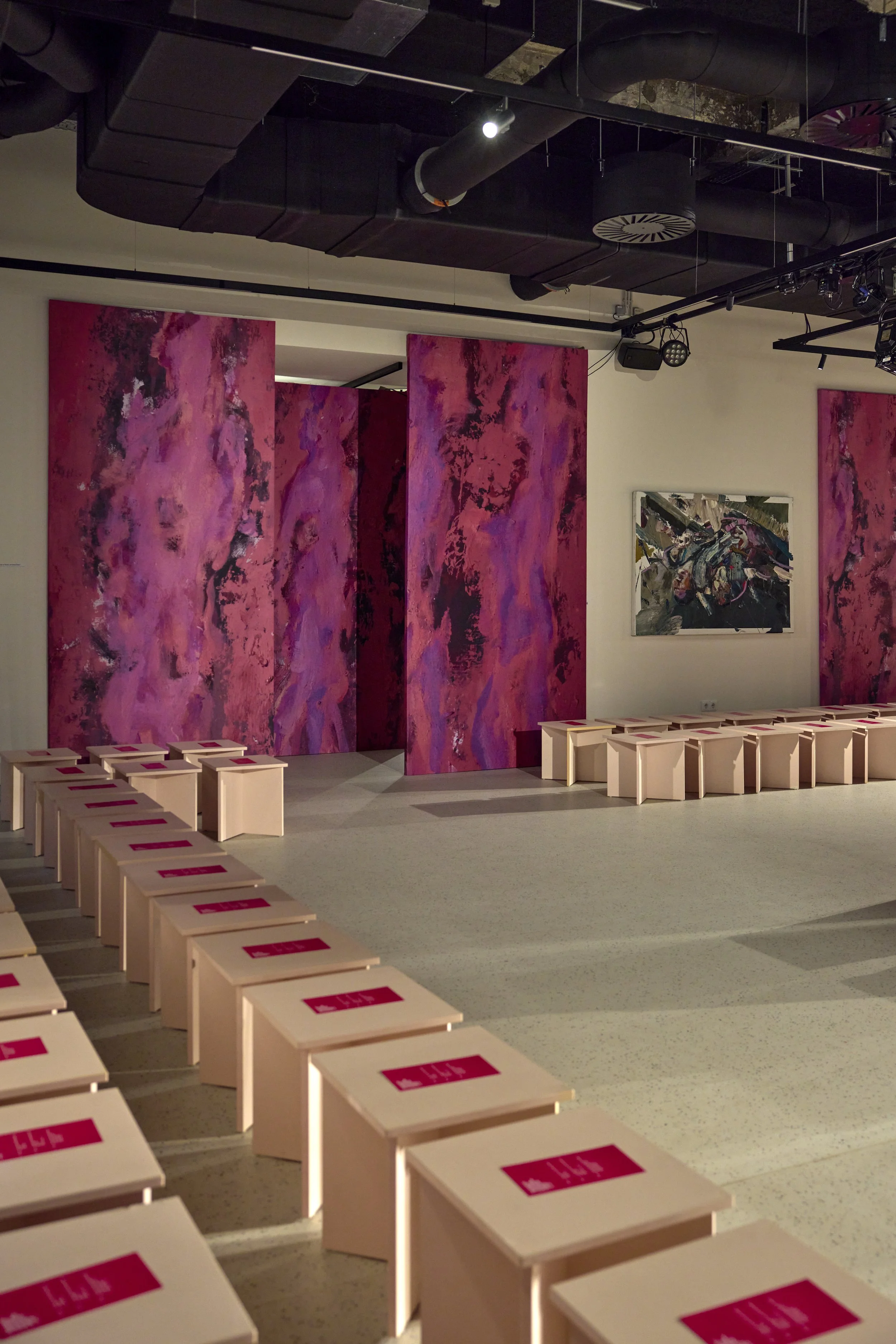
Image: BCEFW
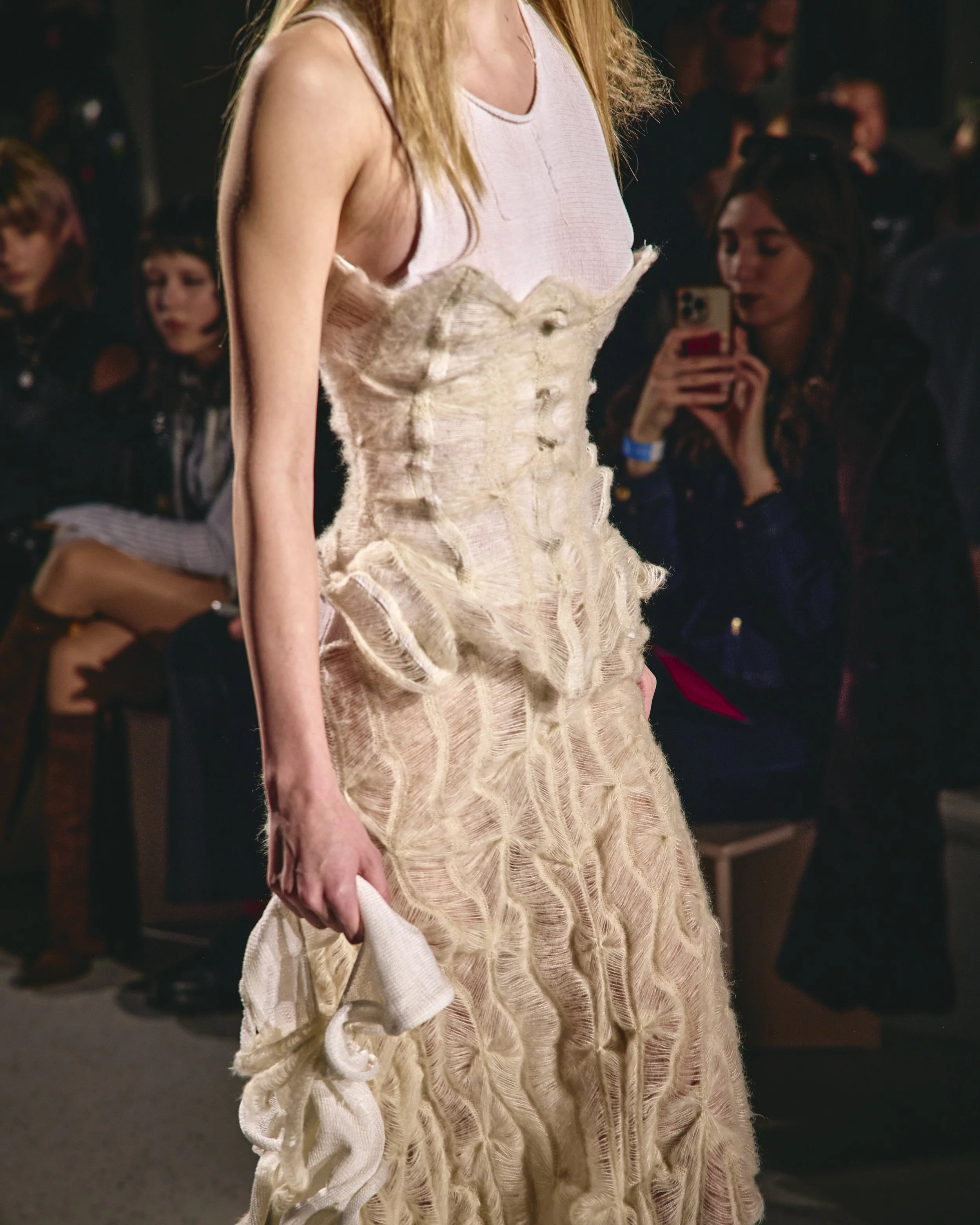
Image: BCEFW
The inclusion of Armenian voices alongside collectives from Slovakia, Ukraine, Slovenia, Romania, and beyond reinforced this sense of intra-regional dialogue. Rather than competing for external validation, the week felt like a gathering of self-defined perspectives. The emphasis was not on spectacle for export, but conversation within.
In an industry increasingly homogenised by algorithms, accelerated trend cycles, and multinational conglomerates, this kind of regional concentration becomes a subtle act of resistance. Fashion here functioned as preservation and reinterpretation— proof that heritage and modernity do not exist in opposition.
A Blueprint for Regional Power
Importantly, BCEFW does not reject contemporary relevance. Quite the opposite. Many collections spoke fluently in the language of today’s instability: layered protection, techno influences, warrior-like accessories, silhouettes built for movement and endurance. But the difference lay in authorship. These were not borrowed aesthetics of conflict or resilience; they were shaped by lived proximity to political and economic volatility.
Craftsmanship was intricate. Concepts were thoughtful. Execution ranged from experimental to refined, but always intentional. There was room for growth, certainly, but there was also clarity of vision— and that clarity felt deliberate.
BCEFW, led by Creative Hungary, offers something increasingly rare: a blueprint for fashion weeks beyond inherited prestige. Smaller platforms can foster authenticity precisely because they are not overdetermined by spectacle. They create space for narrative ownership and regional pride.
If global fashion is serious about evolving beyond surface-level diversity, it must invest not only in representation on major runways, but in infrastructure that allows cultures to define themselves.
Because appreciation begins with voice, and voice begins with authorship.