A Brief History of the Dior Book Tote
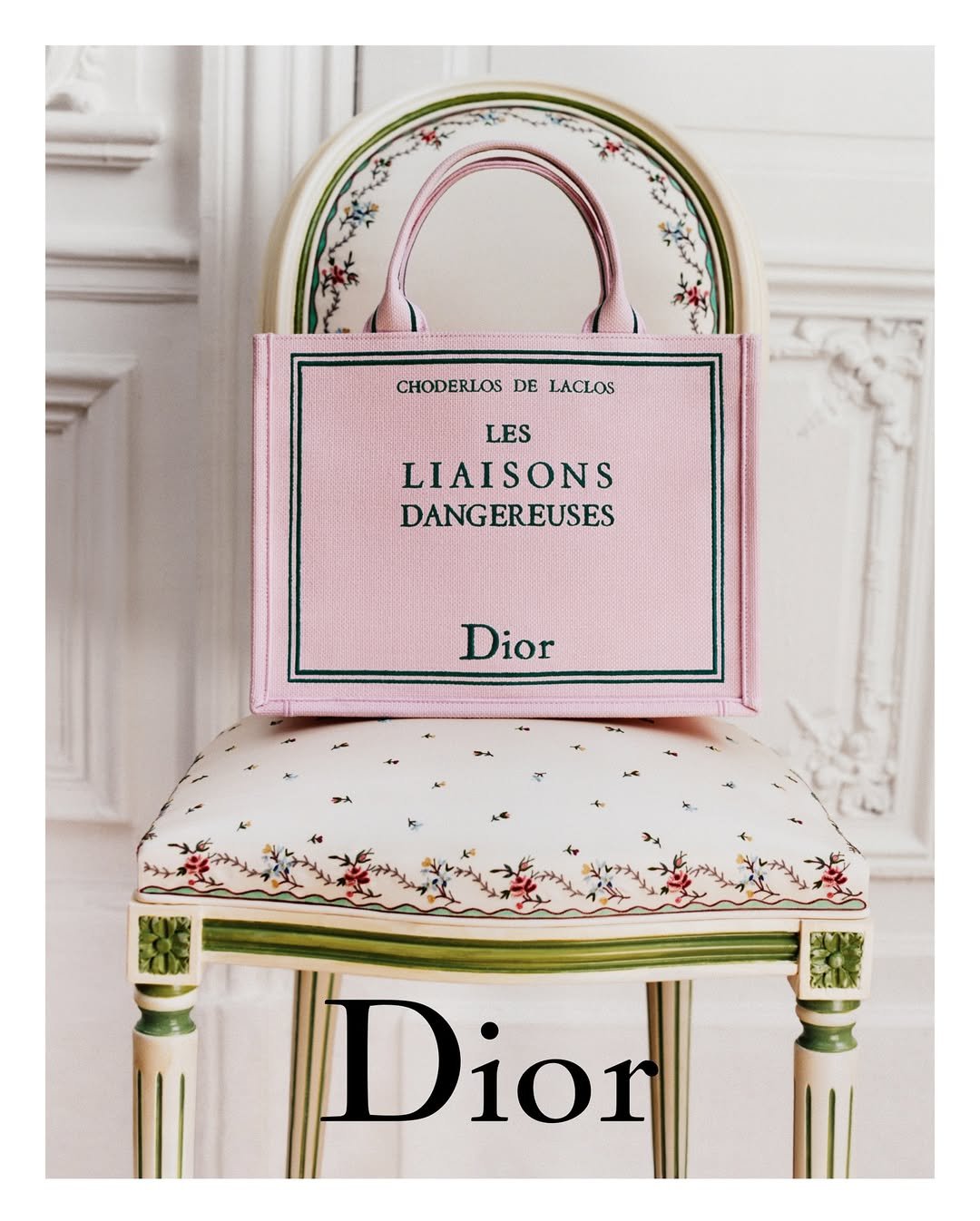
Utilising first edition’s within Anderson’s inaugural collection, makes the Book Tote take on a collector-style status which is seen a lot in the rare book trade. Image: Courtesy of Dior
A Brief History of the Dior Book Tote
Just like literature, the history of Dior and the Book Tote has its own fascinating story to tell.
Revolutionising modern fashion with the brand’s inaugural collection in February 1947, Christian Dior’s designs were dubbed the ‘New Look.’ However, it wasn’t until the late 1950s when Yves Saint Laurent was succeeded by Marc Bohan as the Creative Director that the brand introduced bags through their new ready-to-wear lines. Through this introduction, Dior’s bags have become a brand staple and exemplify their dedication to sophistication and attention to detail, particularly the Cannage stitch and the Oblique monogram.
Beyond the Lady Dior bag, popularised by Lady Diana in 1995, a more recent design that has been propelled into iconic status is the Book Tote. Launched by Maria Grazia Chiuri as part of her first Spring/ Summer collection when she became Dior’s new Creative Director in 2018— the brand’s first and only female Creative Director. It encompassed the brands style, versatility, and most importantly, their commitment to luxury. Later on in 2023, the Dior Book Tote club was launched with ambassadors and friends of the brand discussing the books that have shaped them to promote the collection.
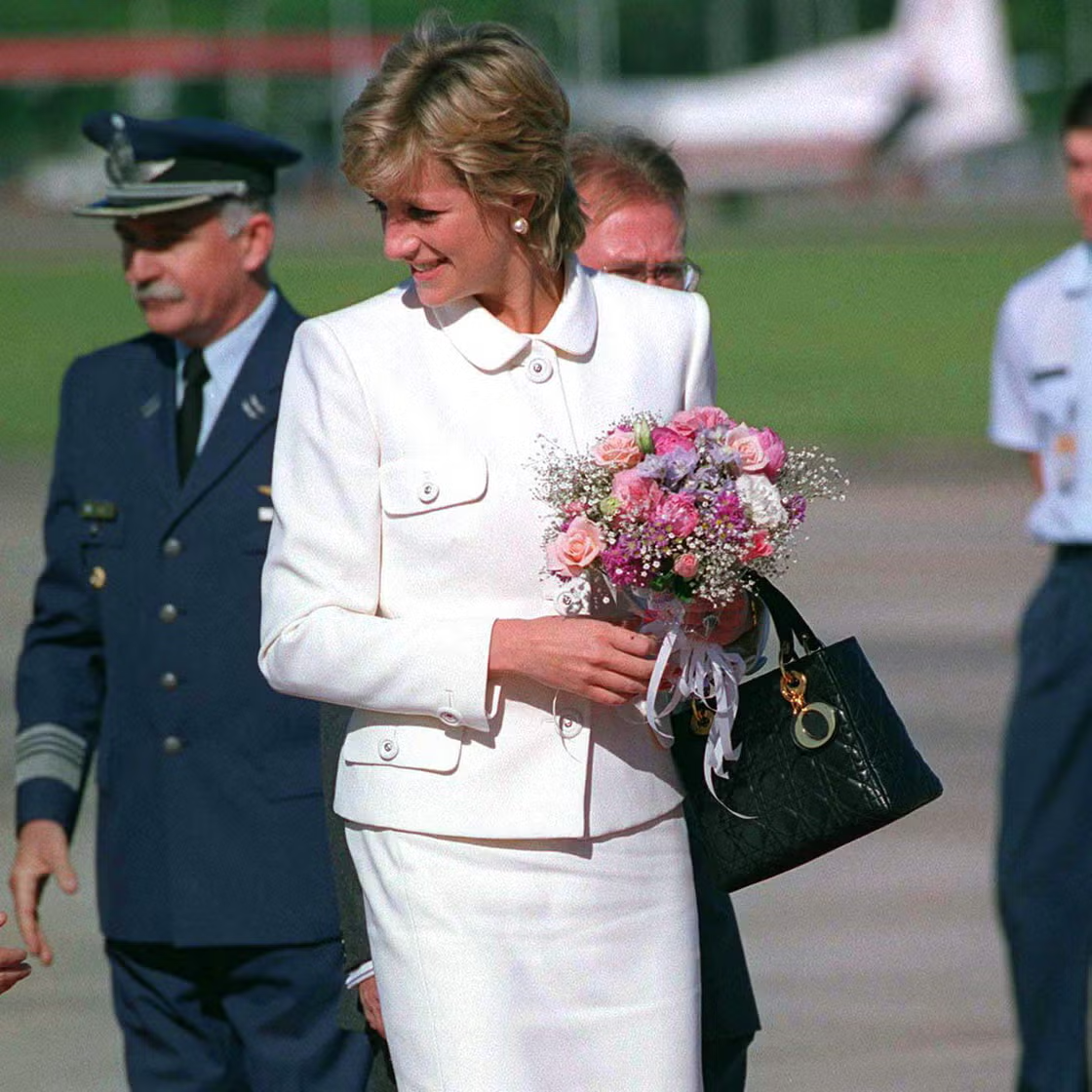
Image: Tim Graham / Getty Images
When envisaging the design, Chiuri had two main sources of inspiration— the Dior archives, and a trip to Argentina. Combining archival and modern design, Chiuri’s initial collection showcased a deep understanding of the brand. She pulled from the Dior archives an unrealised design from the 1960’s from Bohan’s tenure at the house. Wanting to utilise the intricate handmade designs that shaped Dior’s saddle bag and the artisanal process of argentinian craftsmanship, the Book Tote’s construction was shaped by these two approaches. The original design showcased the house classic Oblique pattern. As well as the brand’s recognisable patterns, florals have been a favourite feature of the Book Tote, emphasizing design versatility and affinity for floral luxury.
June last year the brand announced Maria Grazia Chiuri’s departure and Johnathan Anderson’s takeover. This was accompanied with a preview on social media of Anderson’s first campaign.
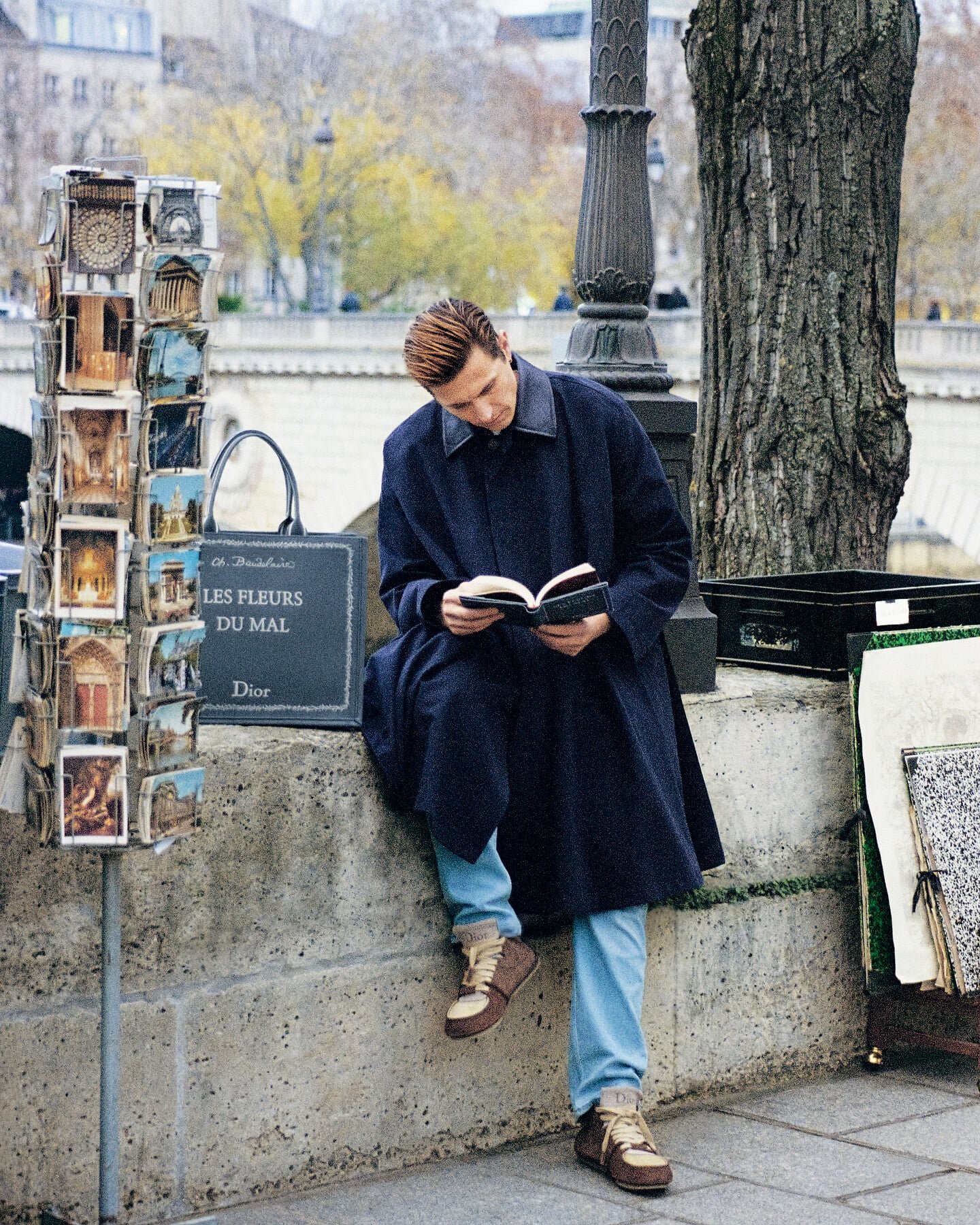
Image: Courtesy of Dior
In an homage to 19th and 20th century literature and first edition covers, Dior unveiled Book Tote’s featuring Bram Stoker’s Dracula, Christian Dior’s memoir Dior By Dior and Pierre Choderlos de Laclos’ Les Liaisons Dangereuses. In this preview, Anderson drew together his Northern Irish heritage through Stoker's classic and Dior’s (both the man and brand) French heritage to emphasise this shift in his creative direction of Dior. Dior following the path other brands have taken in using literature as a source of inspiration, also showcases a shift to literary luxury, which feels reminiscent of the memory of carefully curated Parisian literary salons turned modern celebrity-run book clubs.
Since the first look, other first editions of the Book Tote have since been released— all covers have bold, striking visuals, which we could be seeing more of from Anderson. In continuing the celebration of Dior’s French history, with novels such as Charles Baudelaire’s Les Fleurs du Mal, Gustave Flaubert’s Madame Bovary and François Sagan’s Bonjour Tristesse. Sagan being the only female author featured on Anderson’s list feels quite similar to Dior’s own history, where Chiruri has been the brand’s only female Creative Director. Interestingly, all novels upon publication garnered controversy for tackling subject matter that defied social norms.
James Joyce’s Ulysses, another Irish author, is among the first edition titles features, a text personal to Anderson, speaking to the fact that it took him five years to complete and changed his personal perspective on literature. In an interview for AnOther Magazine, he stated he once saw a first edition of it in a rare bookshop in Dublin in the same way it’s featured on the bag— could this text have been the catalyst for Anderson to choose a slightly more literal approach to the Book Tote?
The only text appearing out of place is American author Truman Capote’s In Cold Blood. Considered groundbreaking for its innovative narrative style and influence within the true crime genre, Capote’s classic is the only non-fiction. Seemingly at odds with the confluence of French and Irish heritage, In Cold Blood instead speaks to the experimental and controversial histories of Anderson’s other choices.
Utilising first editions in Anderson’s inaugural collection gives the Book Tote a collector-style status, which is common in the rare book trade. By taking a literal approach to the design, it makes the first edition's Book Totes feel like a coveted collector’s item. Additional bag designs feature new, brighter floral patterns and a design reminiscent of Cameos, but only the ornate framing around the Dior text, heightening the brand's commitment to design and creating a very tactile feel. Overall, Anderson’s takeover has showcased his deep understanding of the brand and convergence of floral luxury into literary luxury within Dior.
The craft of storytelling is intrinsic to the craft of fashion, similar to what we have seen in brands like Prada and Chanel hosting book clubs and pop-ups.The Dior Book Tote Club and their current Selfridges pop-up in London to promote their newest collection shows just how linked literature and fashion are. In a world of viral short-lived trends and aesthetics, the Book Tote, like literature, is here to stay.