Fresh off the Press: Read the Latest
The latest from The Citizen’s Poste spans longform features, interviews, and cultural commentary examining fashion and culture as systems: how they’re built, how they operate, and how they shape the present moment. We publish with intention, not urgency. That means fewer pieces, sharper thinking, and writing that assumes an intelligent reader. No trend-chasing, no filler. Start wherever you like. Stay as long as you want. This is fashion and culture for readers who prefer substance, clarity, and a little wit with their rigor.
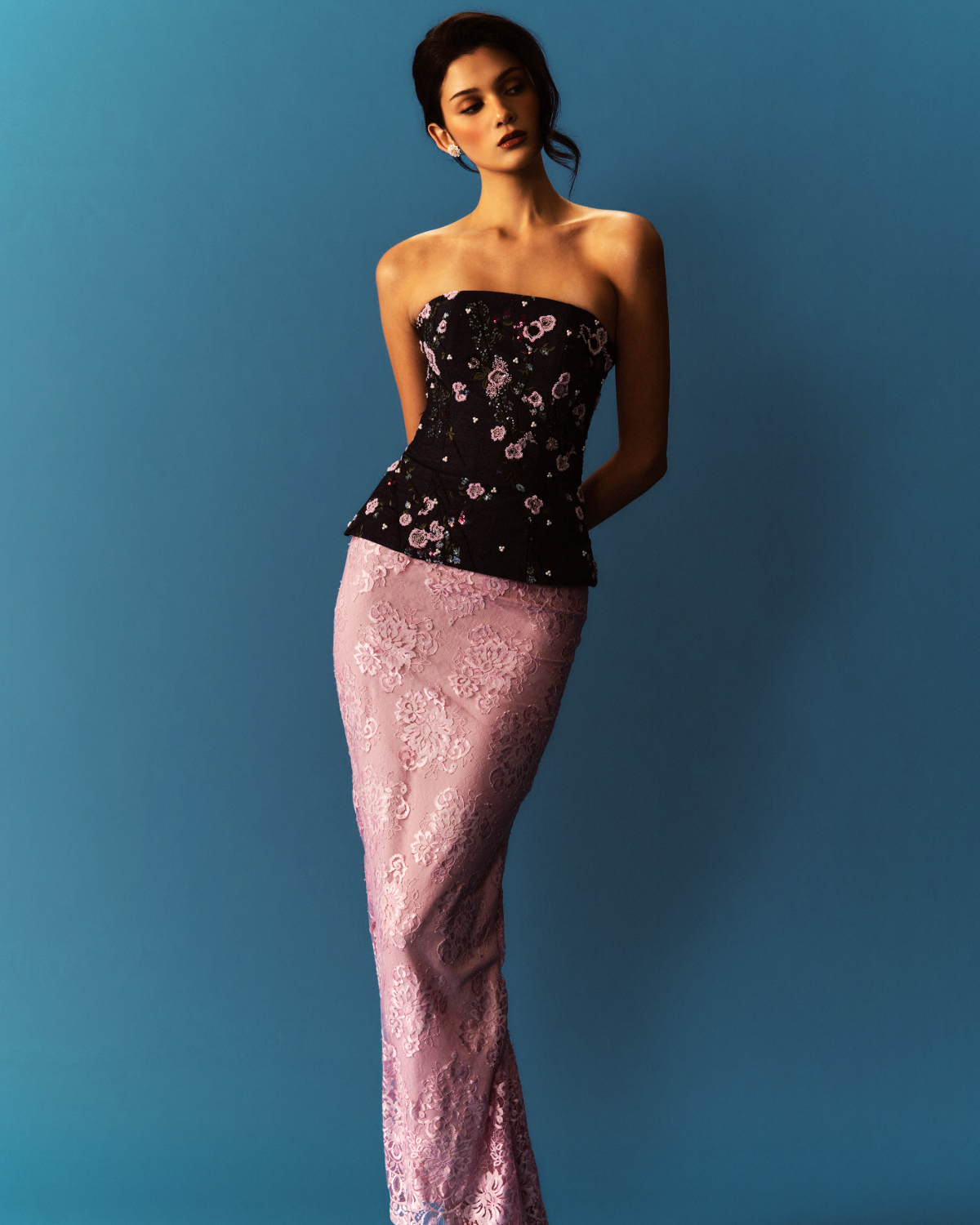
From Manila to Marylebone: A House Rewriting Couture's Geography
Couture has long been legally and institutionally bound to Europe—protected by government trademark law, fed by dedicated academic pipelines, upheld by a closed network of trade alliances. But the center of gravity is shifting. Designers from outside that system are no longer working to be let in; they're integrating their own regional heritages and claiming space on the official schedules themselves. The Philippines, in particular, is in the middle of a quiet renaissance—its craftsmanship increasingly visible on the world's most elite sartorial stages.
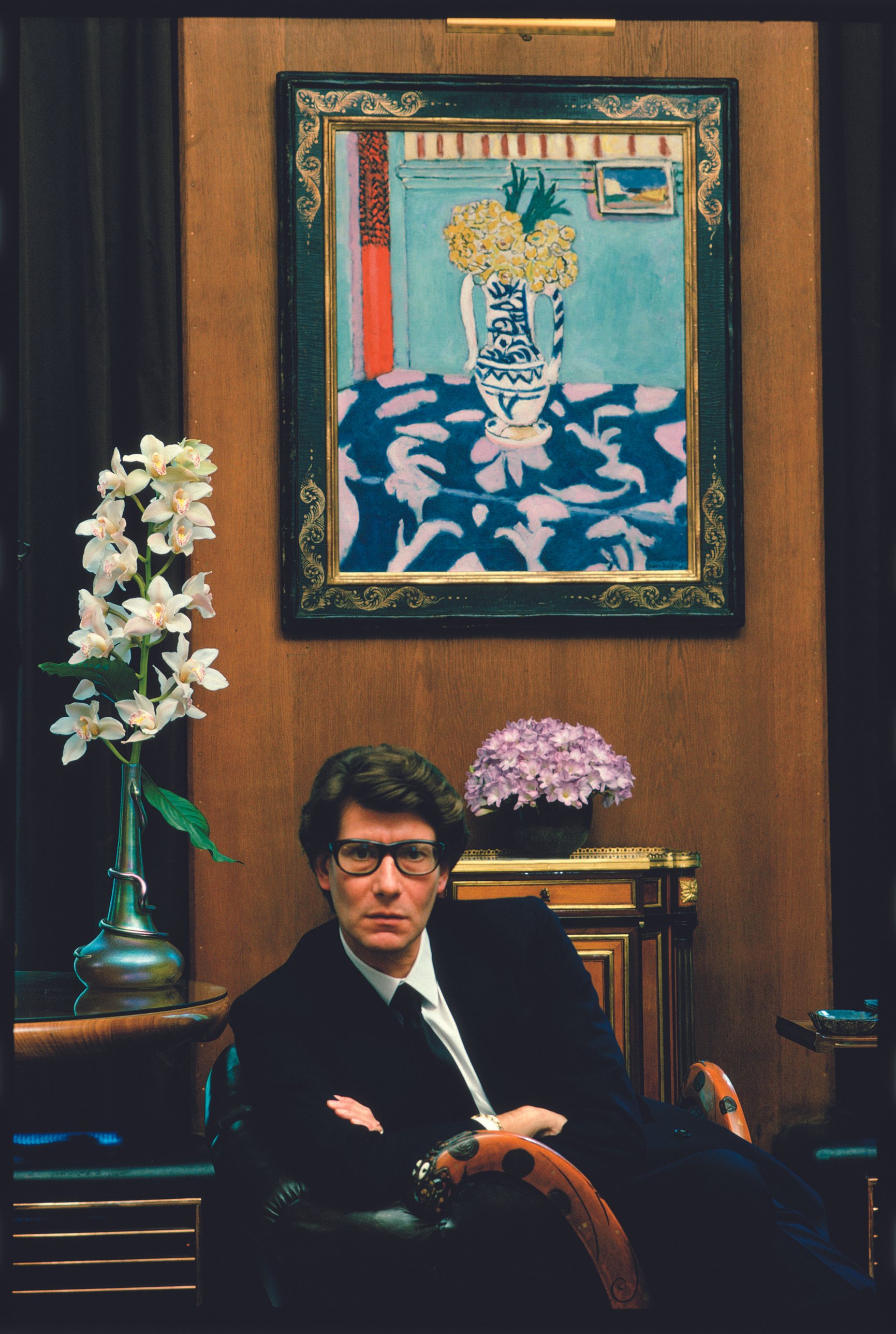
Wearing Painting: Matisse, Yves Saint Laurent and the Redemption of Beauty
What does it mean to wear a painting? This is the question quietly running through Henri Matisse – Yves Saint Laurent: Le Beau, la Mode et le Bonheur at the Musée Matisse in Nice. Rather than staging a familiar narrative of artistic influence, the exhibition reveals something more compelling: two creators who never met, yet shared an understanding of colour as structure, decoration as language and beauty as a way of thinking.
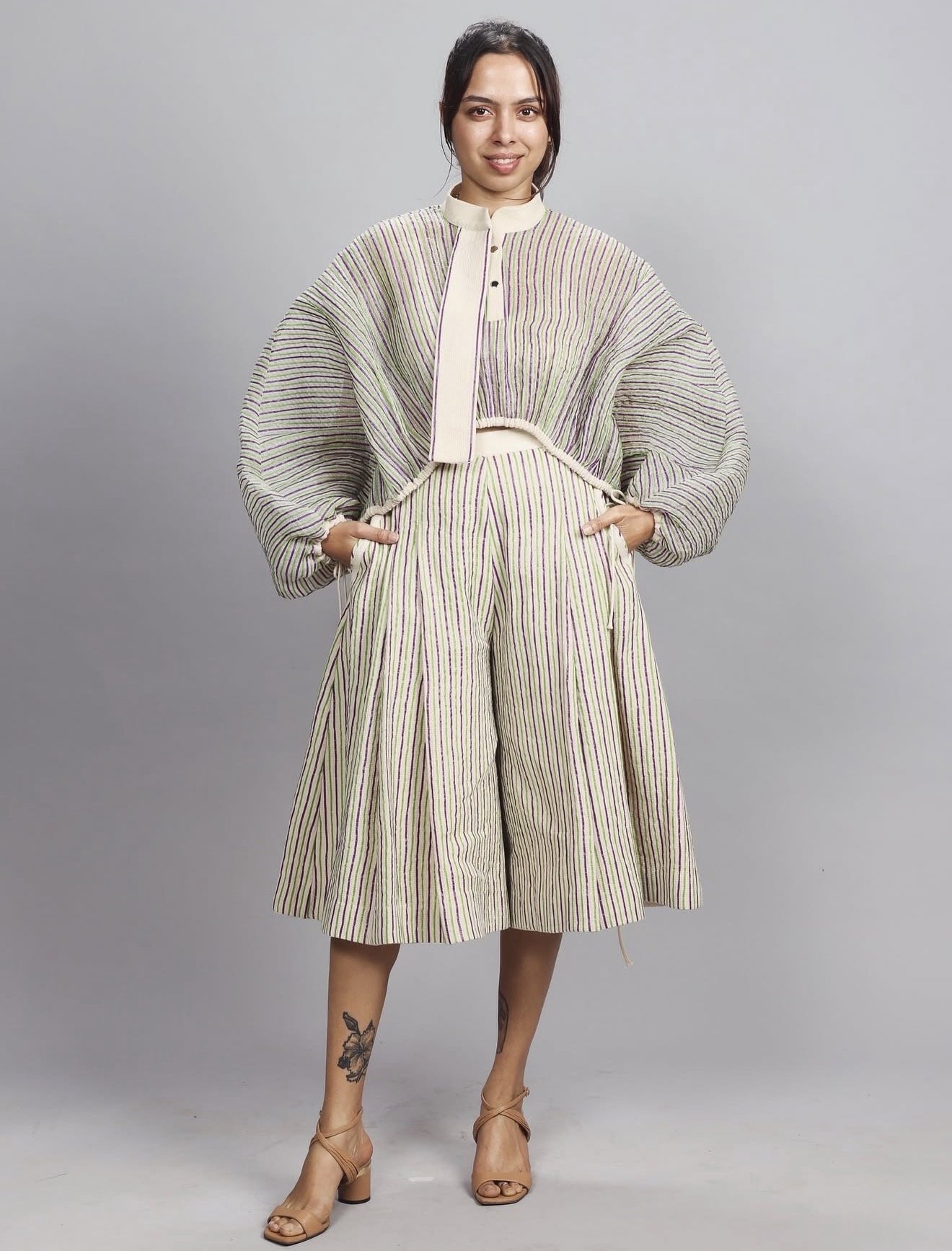
"Don't Be Boring": Rochelle Pinto on Vogue India, Bridal's Global Rise, and What's in Her Closet
Rochelle Pinto has a rule for storytelling: don't be boring. It's a simple enough directive, except she's applying it to a country most of the West still reduces to bridal wear and diaspora demand—which means every decision she makes at Vogue India is also, quietly, an argument against that reduction.
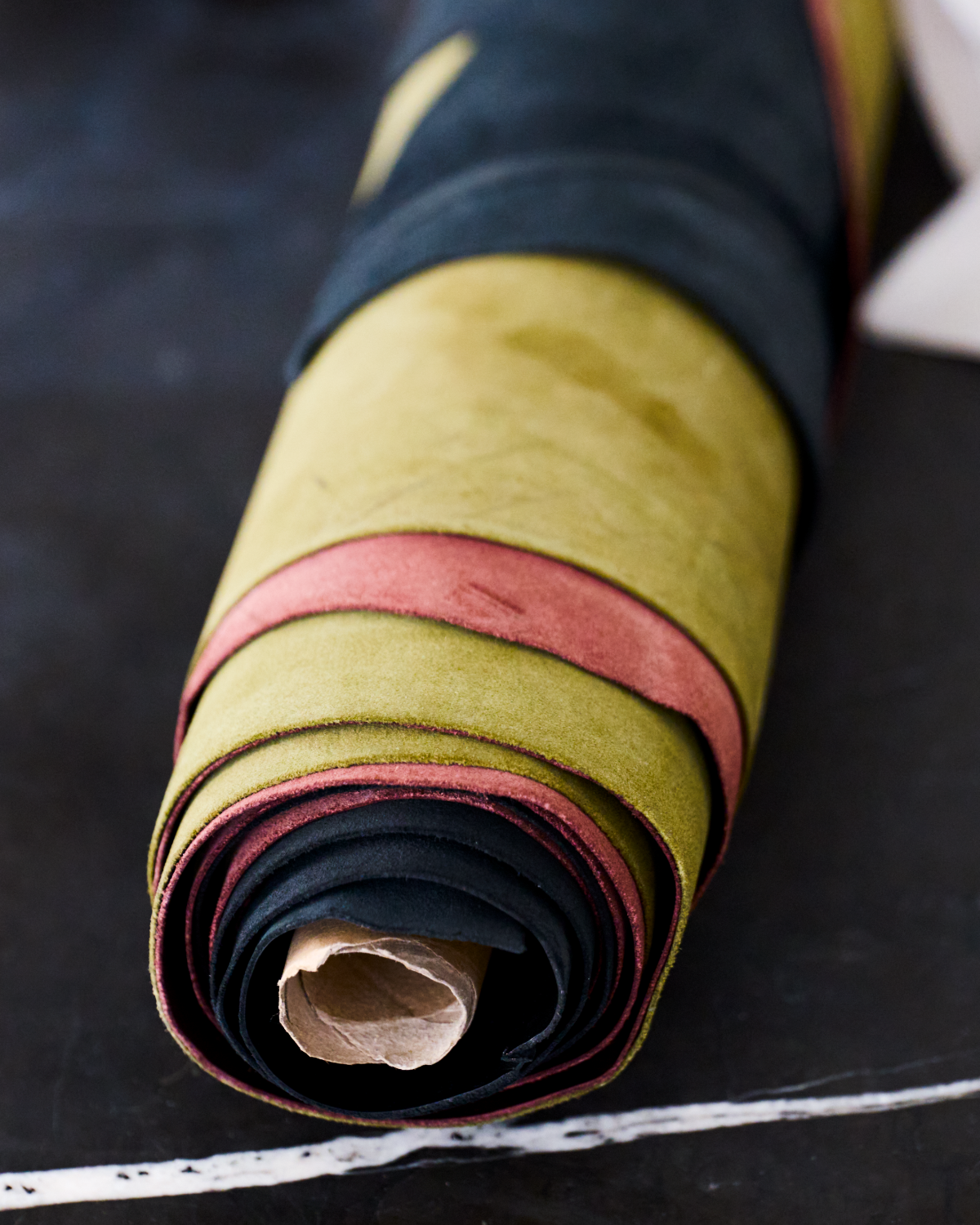
Slow by Design: Inside John Kim's Philosophy at KIMIAS
This brand spent 15 months developing a custom leather for its bags—and somehow that’s only part of the story. For KIMIAS founder and designer John Kim, every piece has to pass what he calls three tests: the eye test, the usability test, and the craft test. That meant chasing down LWG Gold-certified tanneries, getting turned away by major suppliers across Europe and Asia, and eventually going through more than 20 physical prototypes each for the Contour Shoulder and Contour Carryall until the silhouettes felt exactly right.
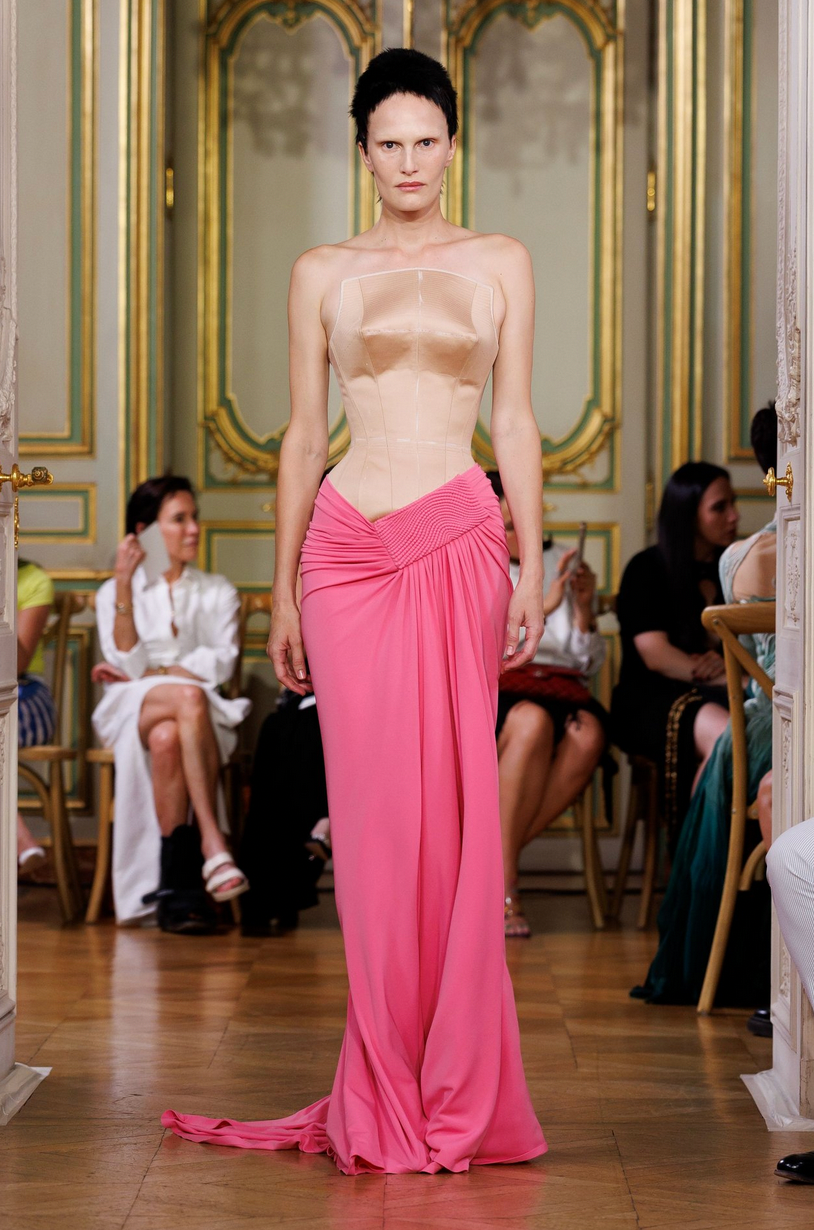
A Standing Ovation for Standing Ground
Michael Stewart's Paris debut turned Ireland's ancient standing stones into couture, and proved that craft, not novelty, is what earns a room's applause.

760 Skin, and the Discipline of Building Beauty Without Backing
Skincare has long been positioned as a process of correction: clinical, precise, and often rooted in the idea that something needs fixing. But today, that narrative also exists within a saturated market shaped as much by celebrity launches and social media virality as it is by formulation. In a space where new brands appear almost daily, differentiation has become both essential and increasingly difficult to sustain. 760 Skin enters that landscape with a distinct point of view.
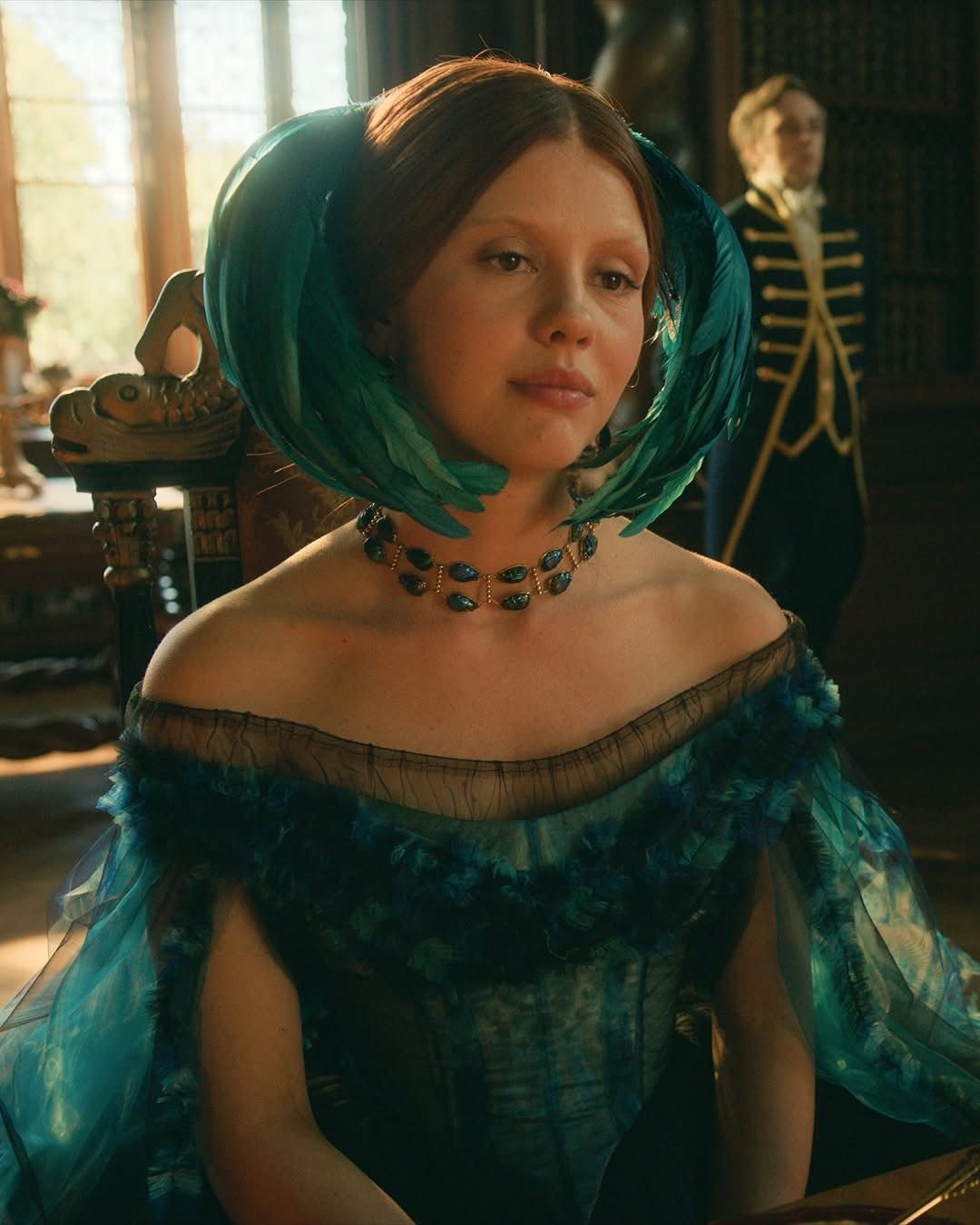
Dressing the Frame: Why Film Costume Is No Longer a Supporting Role
In a recent interview at the Business of Fashion Voices Summit in 2025, filmmaker Luca Guadagnino suggested that costume designers “tend to think in terms of the garment,” while fashion designers think “in terms of the body who wears them.” The remark has since prompted much debate in fashion media, yet recent cinema suggests otherwise. Increasingly, the garment itself has emerged as a central artistic force within the cinematic image. Costume design now shapes the emotional tone and visual language of a film as powerfully as cinematography, dialogue, or set design.
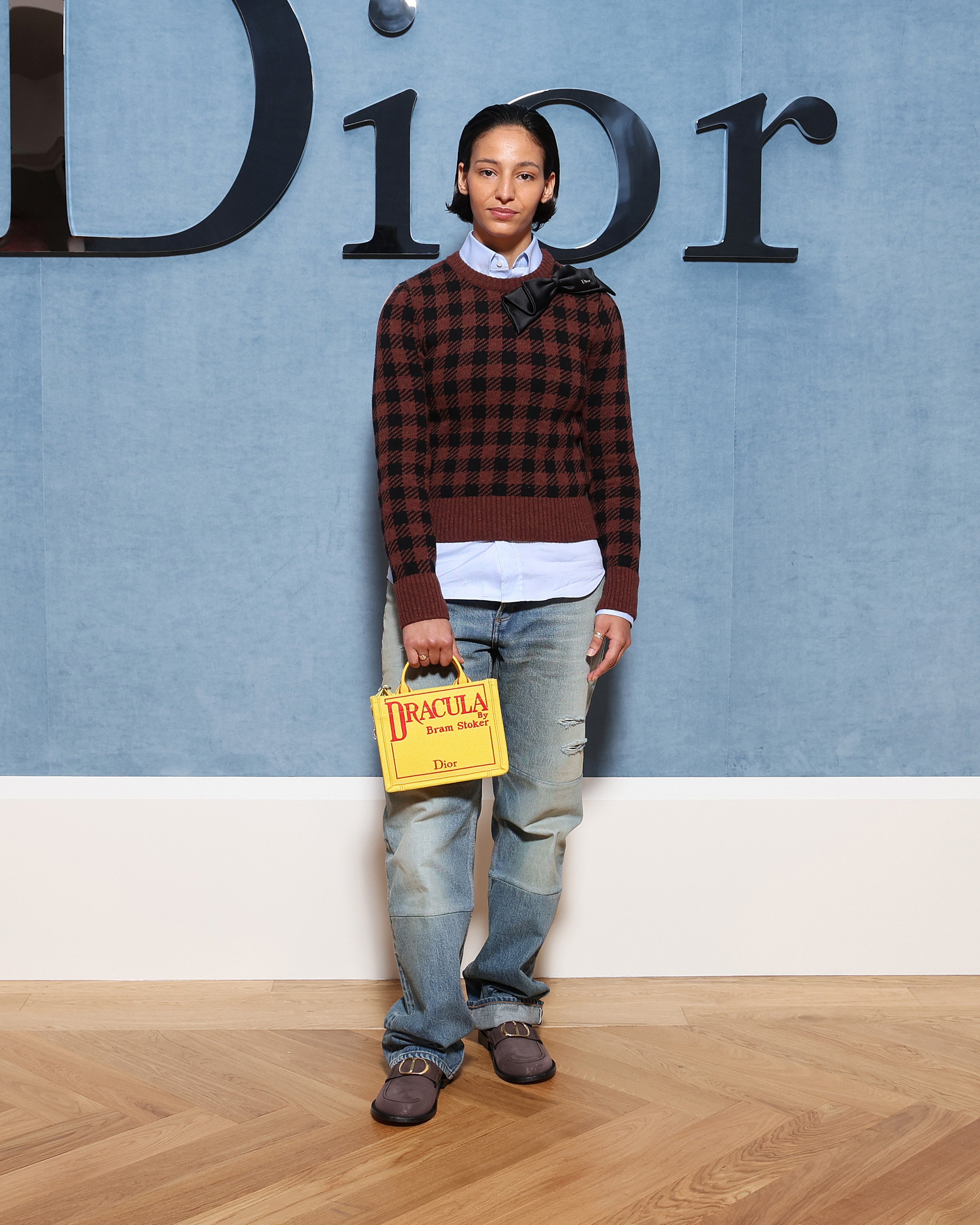
A Brief History of the Dior Book Tote
Just like literature, the history of Dior and the Book Tote has its own fascinating story to tell. Revolutionising modern fashion with the brand’s inaugural collection in February 1947, Christian Dior’s designs were dubbed the ‘New Look.’ However, it wasn’t until the late 1950s when Yves Saint Laurent was succeeded by Marc Bohan as the Creative Director that the brand introduced bags through their new ready-to-wear lines.
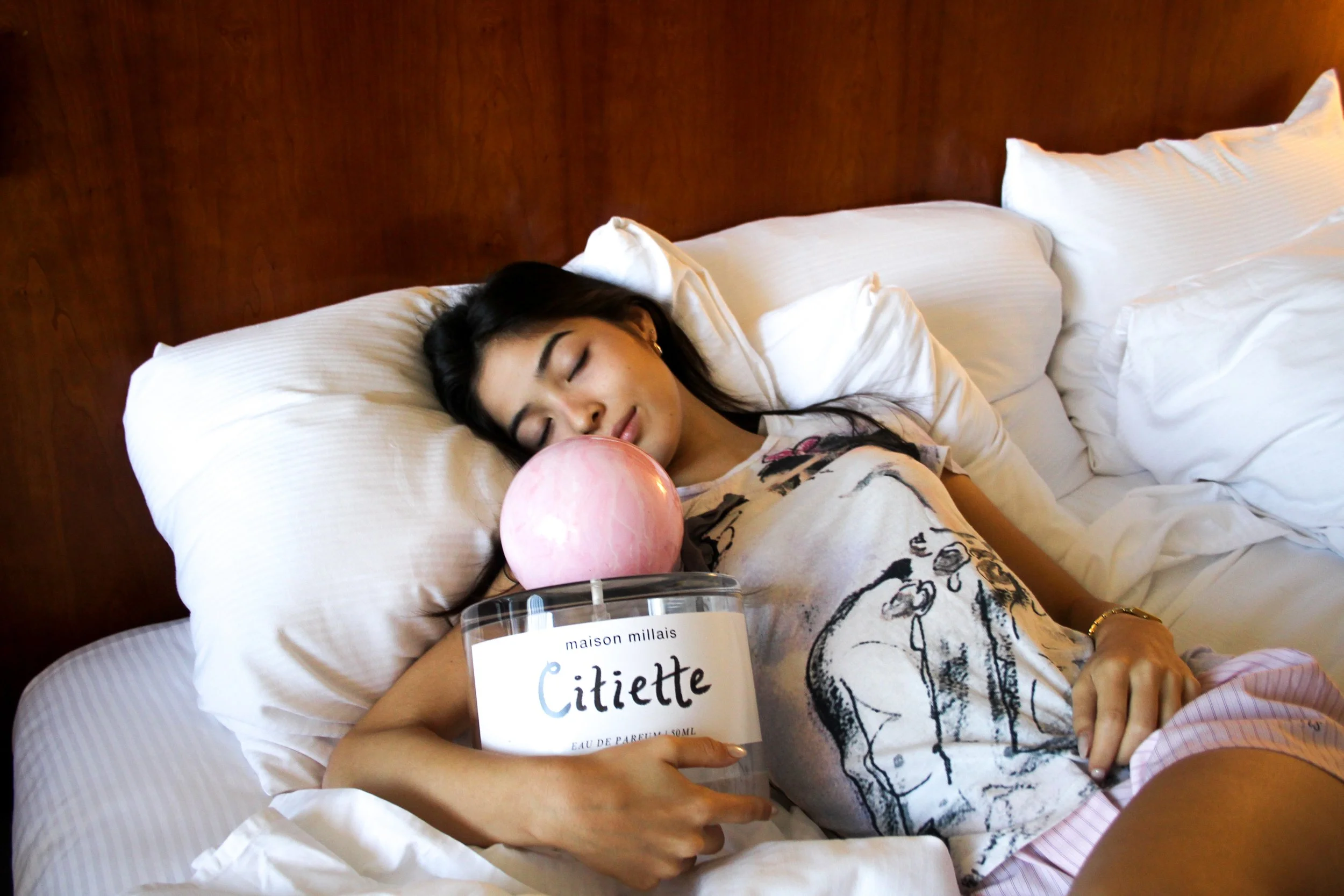
A New Kind of Perfume House Is Emerging— Made for City Girls With Cult Taste
Fragrance has become the final frontier of personal branding. In an era of algorithmic sameness, scent is the one medium that resists replication. It can’t be screenshotted, filtered, or reverse-engineered at a glance. The new aspiration isn’t abundance— it’s precision. To wear a fragrance that functions as a human watermark. To leave behind a sweater or a set of cool sheets and be recognized not by your absence, but by the trace you’ve left in it. The 2026 It-Girl doesn’t need fifty bottles (though she may own them). She operates with intention, not excess. Her vanity reads less like retail and more like curation. She doesn’t smell like “rose.” She smells like “clean sheets at the end of August” or “crushed tomato leaf after rain in the East Village.” Like a memory you can’t quite place but don’t want to forget.
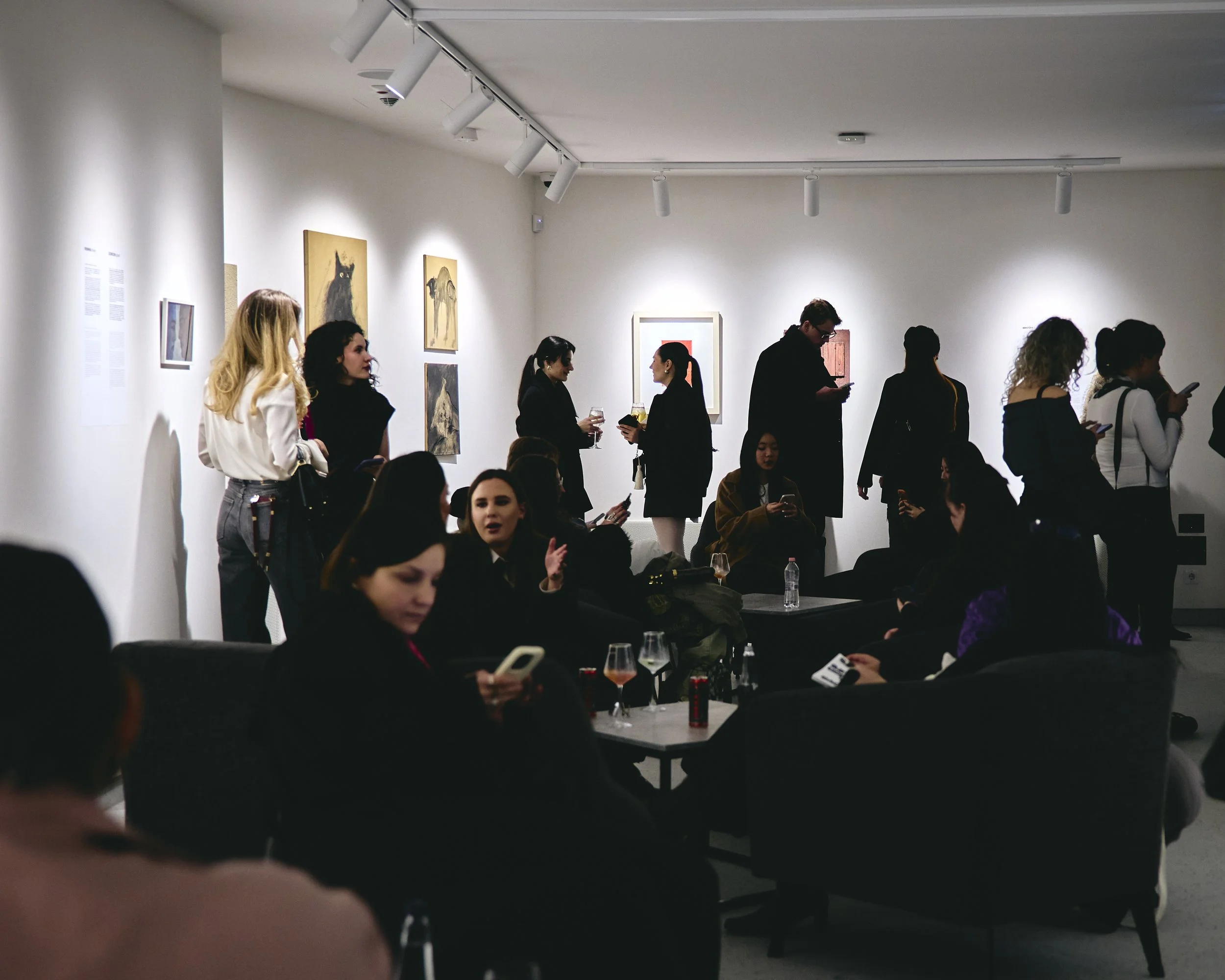
Beyond the “Big Four”: Inside Budapest Central European Fashion Week
During its 17th edition, BCEFW transformed venues like the intimate Apollo Gallery and the grand Museum of Fine Arts into something more deliberate than runway spaces. They became crossroads where designers from across Central Europe, alongside Armenian, Georgian, and Ukrainian voices, gathered not simply to present collections, but to assert authorship over their own cultural narratives.
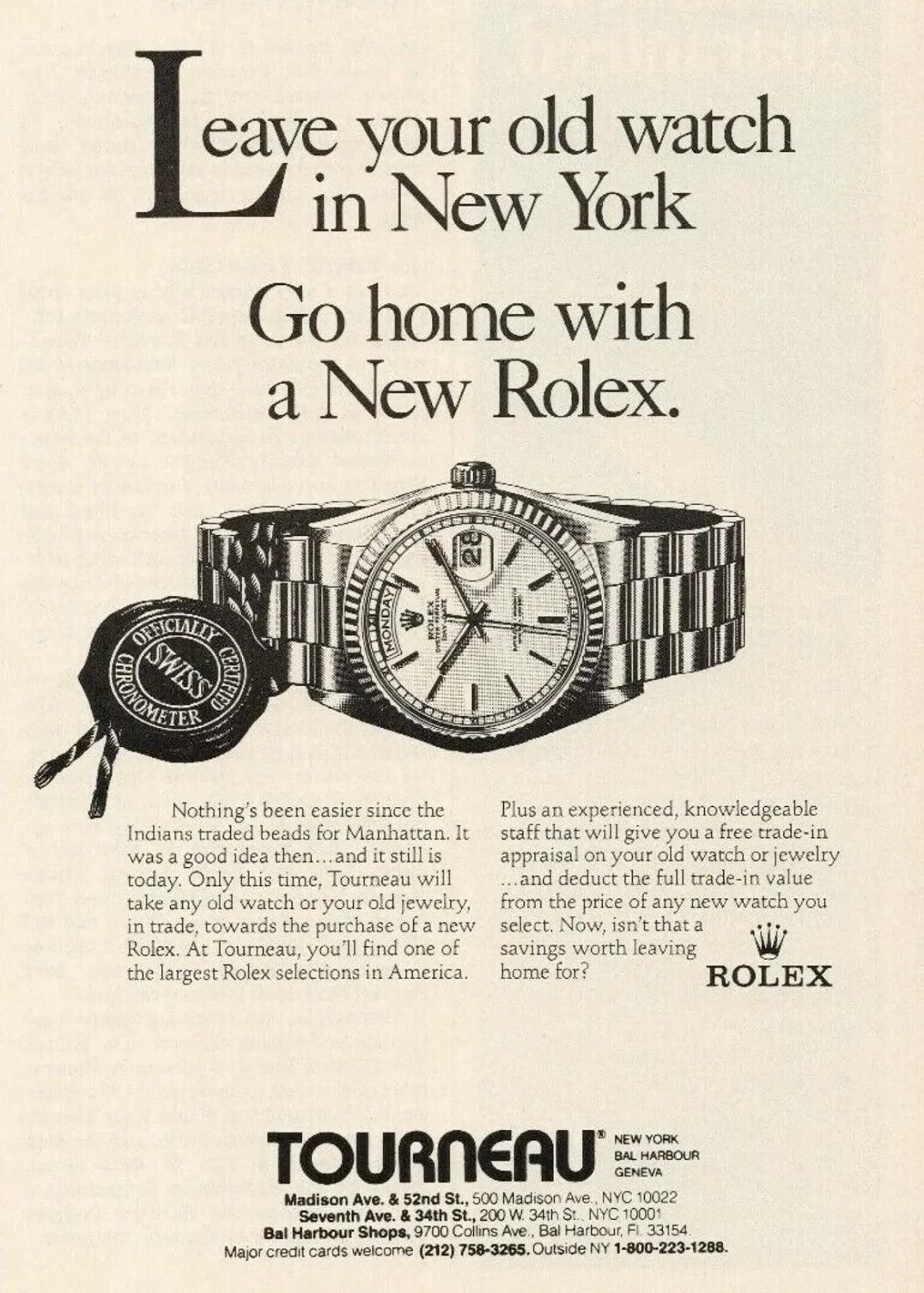
Who Really Owns Rolex? Meet the Foundation That Controls the Crown
During an industry era in which heritage brands are routinely absorbed into global groups and succession planning has become a corporate obsession, Rolex operates under a structure that is unusually deliberate: it is wholly owned by a foundation designed to preserve its independence in perpetuity. Not as a symbolic gesture, but as a governing framework.

Material Intelligence: Inside The Mind of Marina Raphael
In an industry increasingly shaped by images, simulations, and accelerated output, the most consequential decisions in fashion still happen off-screen. For Marina Raphael, touch is not an embellishment or a sensory afterthought; it’s a form of intelligence. As founder and creative director of her eponymous brand and Artistic and Design Director of Handbags at Elie Saab, Raphael operates at the intersection of precision, heritage, and contemporary restraint. Her work is defined by structure and clarity, yet shaped by deeply tactile decision-making— from the grain of a leather to the sound a clasp makes when it closes.
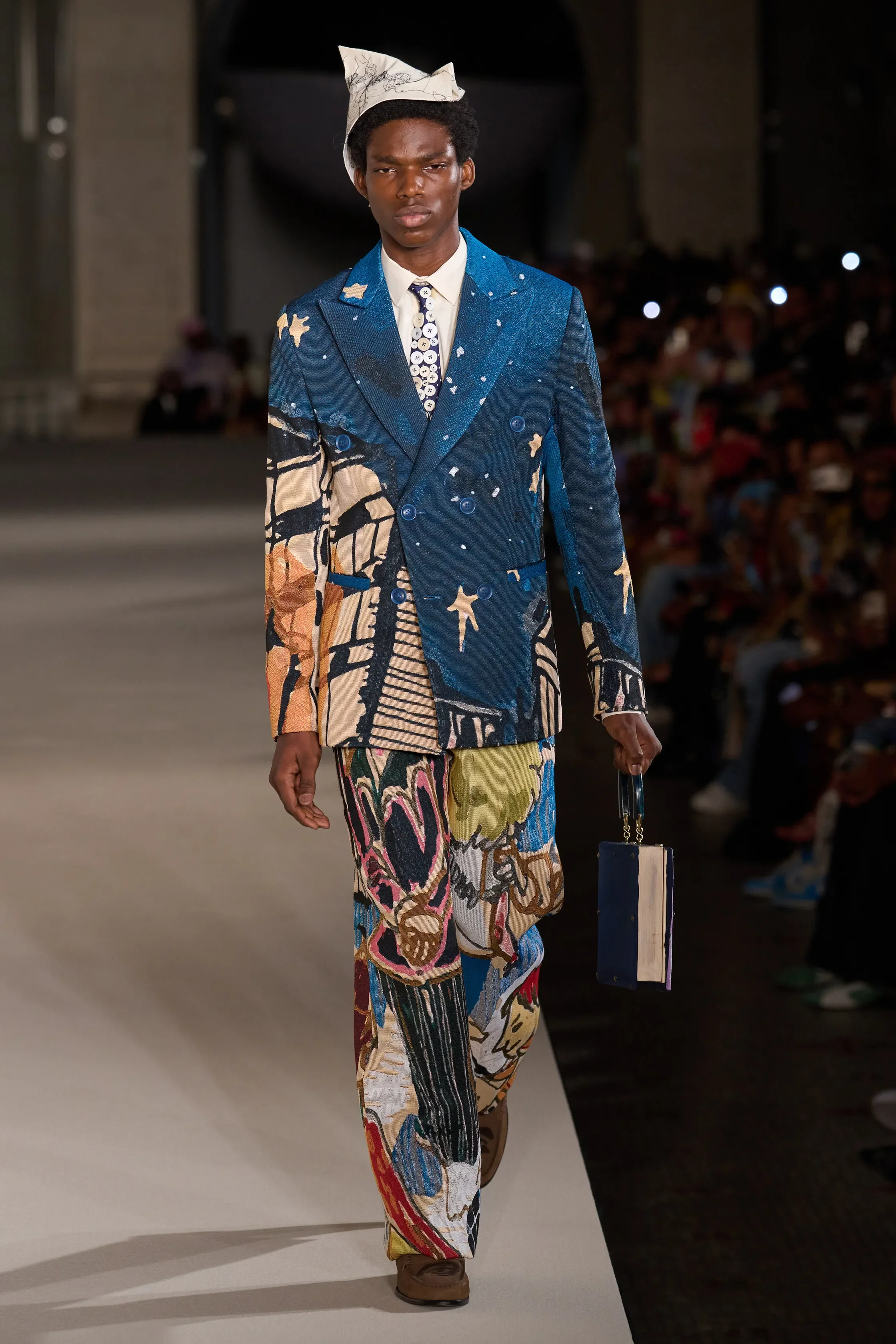
From Storybook to Runway: The Alchemy of Play
Art and fashion have always been inseparable. While some argue that the extreme marketing of fashion as art has deracinated the latter to the point of redundancy—taking away its essence as a means of deeper cultural commentary and introspection and converting it into a vacuous tool for commerce—it’s hard to negate the fact that designers who are truly devoted to their craft create pieces that can serve as enduring mementoes of their time while also being rather stimulating emotional vessels for the viewer as much as for the creator.
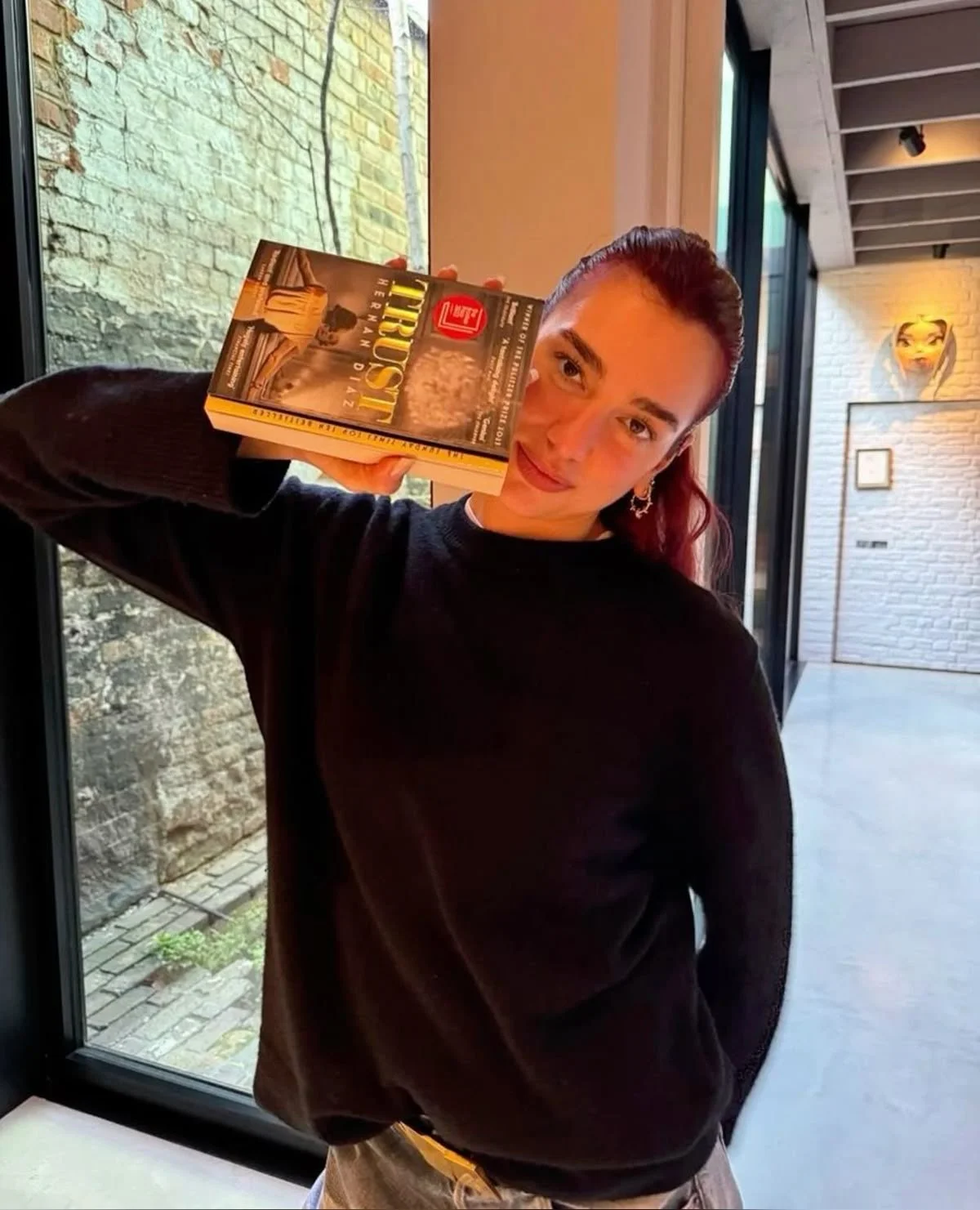
The Book Club Effect: Turning Literary Curation into a Branding Strategy
From Venetian and Parisian salons to campaigns by Prada, Chanel, Miu Miu, and Brunello Cucinelli, and onward to celebrity book clubs, literature has consistently conveyed cultural authority ... Influence, anchored in intellect and cultivated taste, remains timeless.

Powder, Pistes, and Prada: Après Ski, Before the Spectacle
Skiing and fashion have been intertwined for over a century. Designers like Lucien Lelong, Edgidio Scaioni, and Madeleine Vionnet transformed practicality into style with two-piece pantsuits and knit accessories, while Norwegian trousers in the 1930s offered an alternative to skirts. Emilio Pucci’s one-piece suits and Massimo Giorgetti’s colorful uniforms of the 1940s caught Diana Vreeland’s eye, earning space in Harper’s Bazaar. By the 1950s, “après-ski” entered the lexicon, and Maria Bogner’s stretch ski pants— sported by Marilyn Monroe, Jackie Kennedy, and Brigitte Bardot— brought both color and celebrity to the slopes. The decades that followed saw space-age prints, bold colors, and media moments from Princess Diana’s ski trips to George Michael’s Last Christmas, solidifying ski fashion as aspirational and visible.
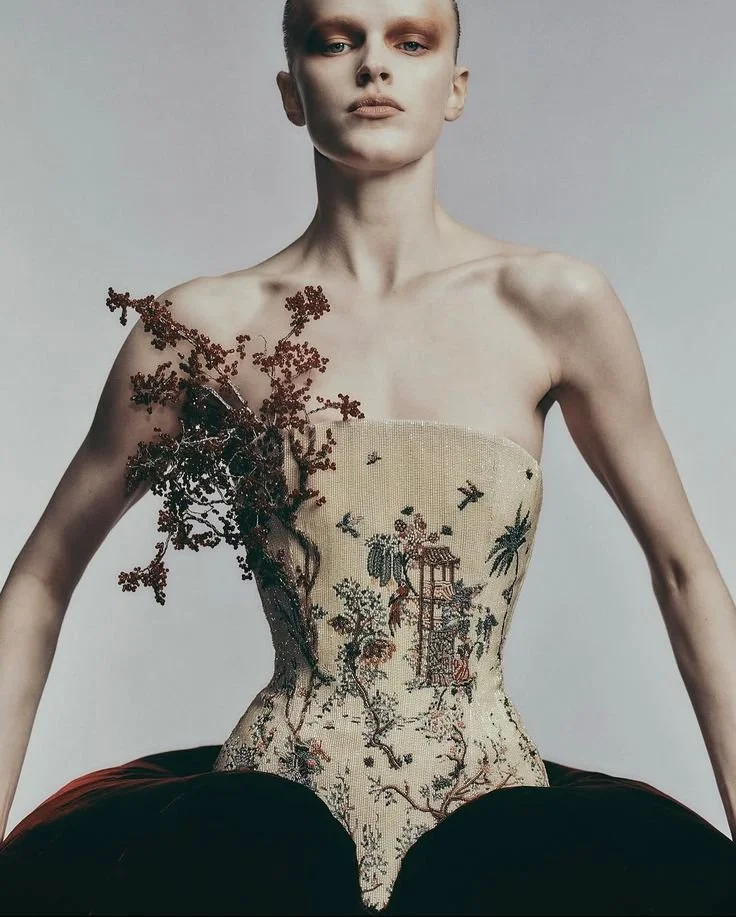
When Fashion Becomes Art: on Mohammed Ashi
Founded in Beirut in 2007 and now based in Paris, Ashi Studio has become one of the leading houses that approach couture not as adornment but as an extension of artistic expression. His devotion to volume, silhouette, and conceptual rigor has positioned the studio among the few expanding couture houses into the realm of objecthood.
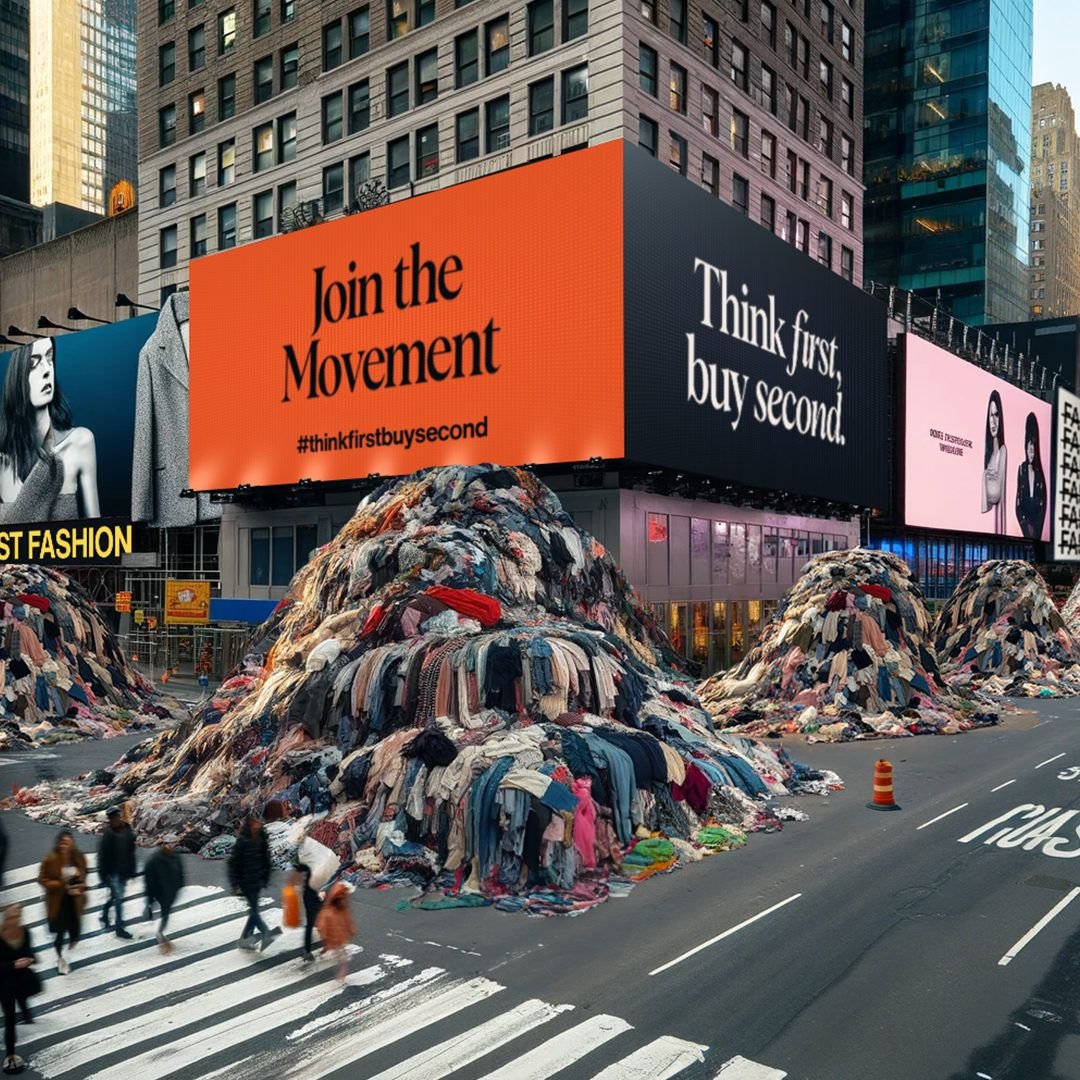
When Transparency Outshines Impact: The Paradox of Fashion’s Sustainability Rankings
The Swedish multinational fast-fashion retailer H&M Hennes & Mauritz AB— better known simply as H&M— was ranked first in Fashion Revolution’s What Fuels Fashion? 2025 report this September. Yet both the public and the media seemed to have little to say about this rather significant news. Given the state of our world, that silence feels telling. Most outlets, including legacy fashion titles, appeared more concerned with the brand’s return to the runways during London Fashion Week for its star-studded S/S26 collection than with its supposed sustainability “progress.”
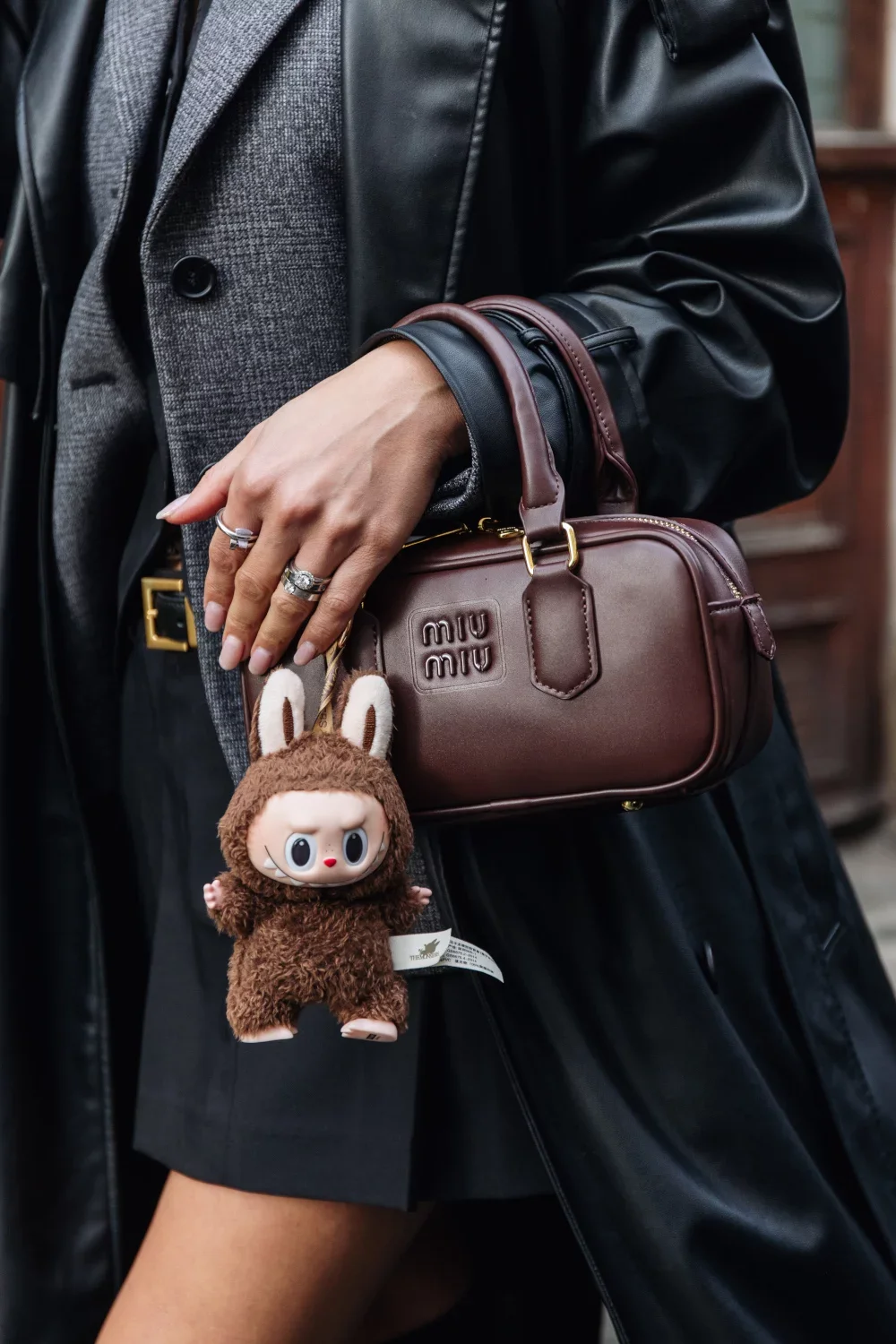
Virtue Signaling, Performative Males, and the Exiled Self: Consumerism’s Chokehold on GenZ
There is always some aesthetic to sought after, or some niche to have more dialed, and lately, this has been portrayed as a lack of originality—with especial hate directed toward “performative males.” Somehow it has become a trend to avoid trends at all cost; how ironic, how terribly human. But, must we condemn the performative parts we all have?
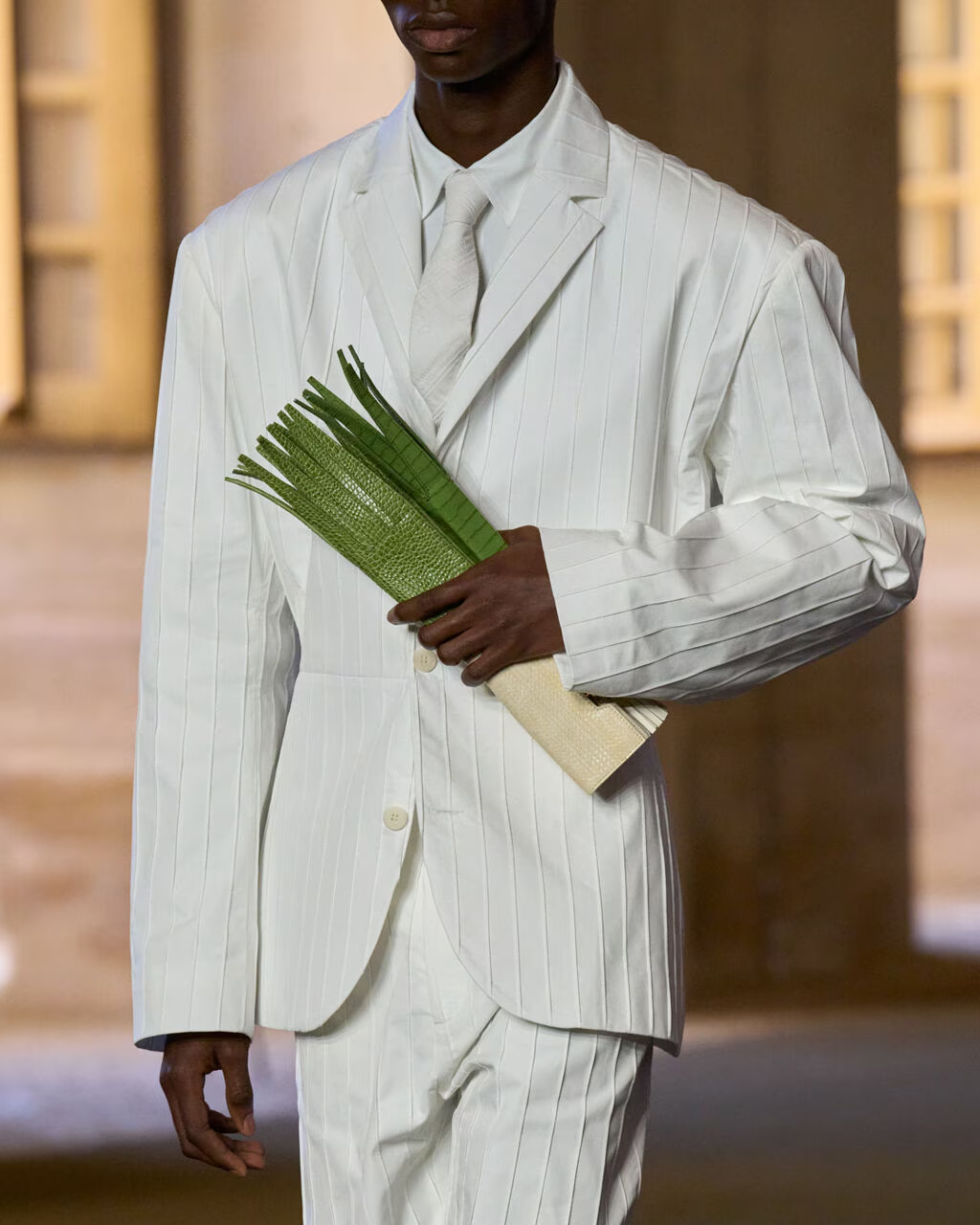
Why Jacquemus’ Embrace of Humble Codes Feels Like Fashion’s Boldest Move
You can take someone out of the village, but you can’t take the village out of them. … Simon Porte Jacquemus will always return, like any other designer and artist in general, whether he seeks it or not, to Mother Earth, to his homeland, to his home. In a fashion landscape addicted to spectacle, Jacquemus staged something far more disruptive: humility.
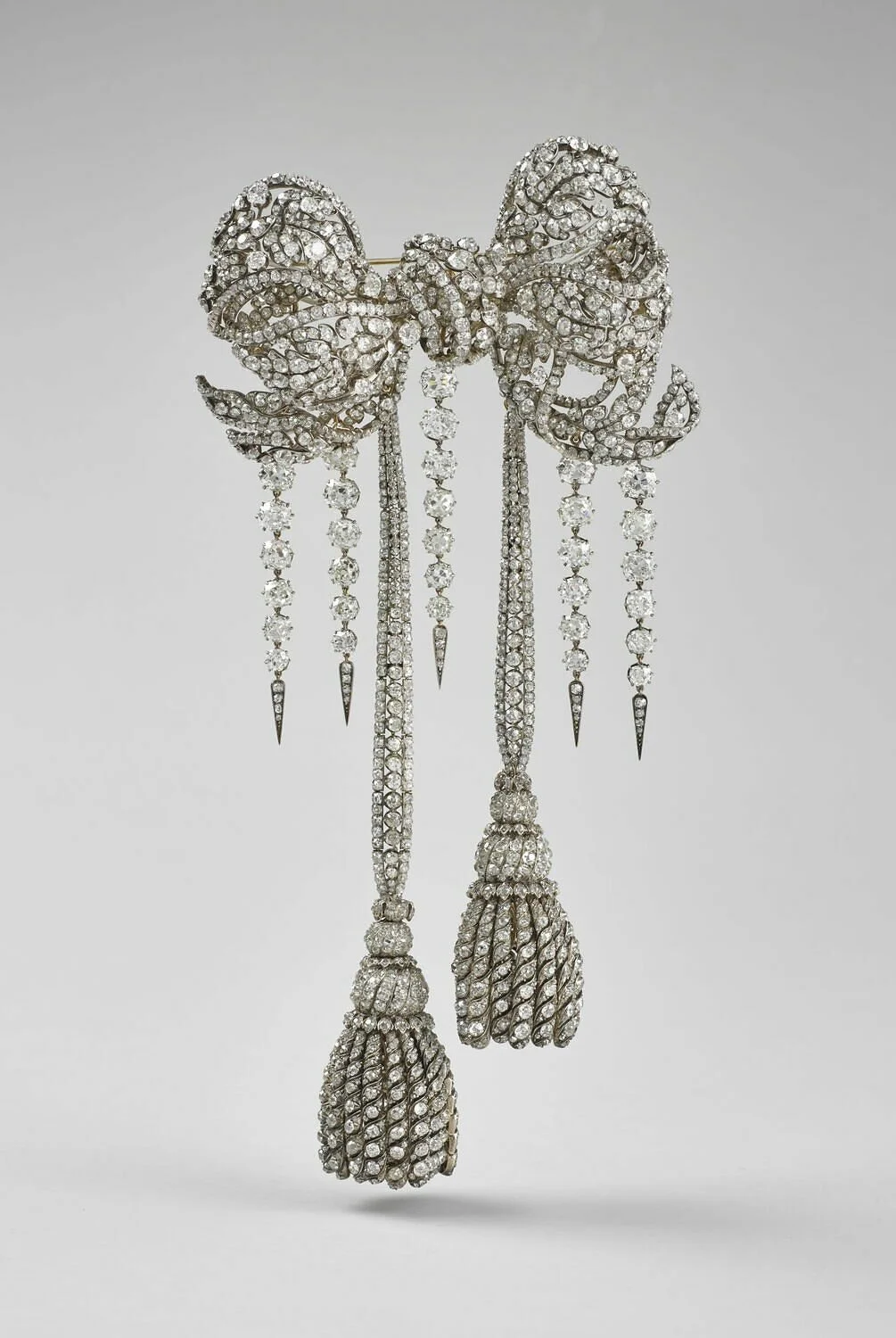
If There’s One Thing We Know About the Louvre Heist, It’s That the Internet Loves a Sophisticated Criminal
On October 19th, at 9:30 am local time, shortly after the museum opened for the day, four unknown suspects arrived at the Louvre with a ladder, power tools, and a plan. In A mere seven minutes, the thieves swiped eight priceless pieces, from crowns to brooches. And while the Louvre has physically lost the jewels from their gallery, they have simultaneously gained a commodity which may be equally as valuable: views.